In the last few years, the way businesses present information online has changed dramatically.
Customers no longer have the patience to download bulky files, zoom endlessly into blurry PDFs, or scroll through static product sheets that feel outdated before they even finish loading. Attention spans are shorter, competition is higher, and presentation quality matters more than ever.
That’s why digital brochures have become such an important part of modern marketing.
Whether you run an ecommerce store, a real estate agency, a SaaS company, a restaurant, a school, or a creative agency, your brochure is often one of the first things potential customers interact with. It represents your brand, your professionalism, and the quality of your business.
But here’s the problem most companies still haven’t realized:
Not all digital brochure formats are created equal.
A badly designed brochure experience can make even a great business feel outdated. On the other hand, a smooth, interactive, visually polished brochure can instantly increase engagement, improve credibility, and generate more leads.
So what is actually the best digital brochure format for modern businesses today?
After working with websites, SaaS products, and online marketing systems for years, the answer has become increasingly clear: interactive flipbook-style digital brochures are quickly replacing traditional static PDFs.
And honestly, it makes complete sense.
Why Traditional PDF Brochures No Longer Feel Modern
For a long time, PDFs were the default format for digital brochures.
Businesses would create a brochure in Canva, Photoshop, Illustrator, or InDesign, export it as a PDF, upload it to their website, and call it a day.
Technically, this still works.
But from a user experience perspective, traditional PDFs create several problems that modern users increasingly dislike.
The first issue is friction.
Most PDF brochures interrupt the browsing experience. Users either have to download the file or open it in a separate tab using a browser-based PDF viewer. Immediately, the experience starts feeling disconnected from the rest of the website.
Then come the usability problems.
On desktop, PDFs are usually acceptable. But on mobile devices, things get messy very quickly. Users constantly pinch-to-zoom, struggle with tiny text, accidentally scroll sideways, or simply give up halfway through.
And considering how much traffic now comes from smartphones, that’s a serious issue.
Another major problem is presentation quality.
A static PDF feels exactly like what it is: a document.
Modern users expect digital experiences to feel interactive, polished, and responsive. Static PDFs often feel cold and lifeless compared to the rest of a modern website.
That’s especially problematic for industries where presentation matters heavily, such as:
- ecommerce
- luxury brands
- real estate
- hospitality
- fashion
- education
- digital publishing
- creative portfolios
For these businesses, the brochure itself is part of the product experience.
The Rise of Interactive Digital Brochures
Over the last few years, businesses have started moving toward interactive brochure formats that feel much more immersive.
Instead of presenting users with a flat downloadable document, companies are now embedding flipbook-style experiences directly into their websites.
These interactive brochures simulate the feeling of flipping through a real magazine or catalog while maintaining the speed and accessibility of modern web technology.
And surprisingly, this small shift changes the entire perception of the content.
Users spend more time browsing.
The experience feels more premium.
Products appear more polished.
And the brand instantly feels more modern.
This is one of the biggest reasons platforms like ZipFlipbook have become increasingly popular among businesses, marketers, and developers.
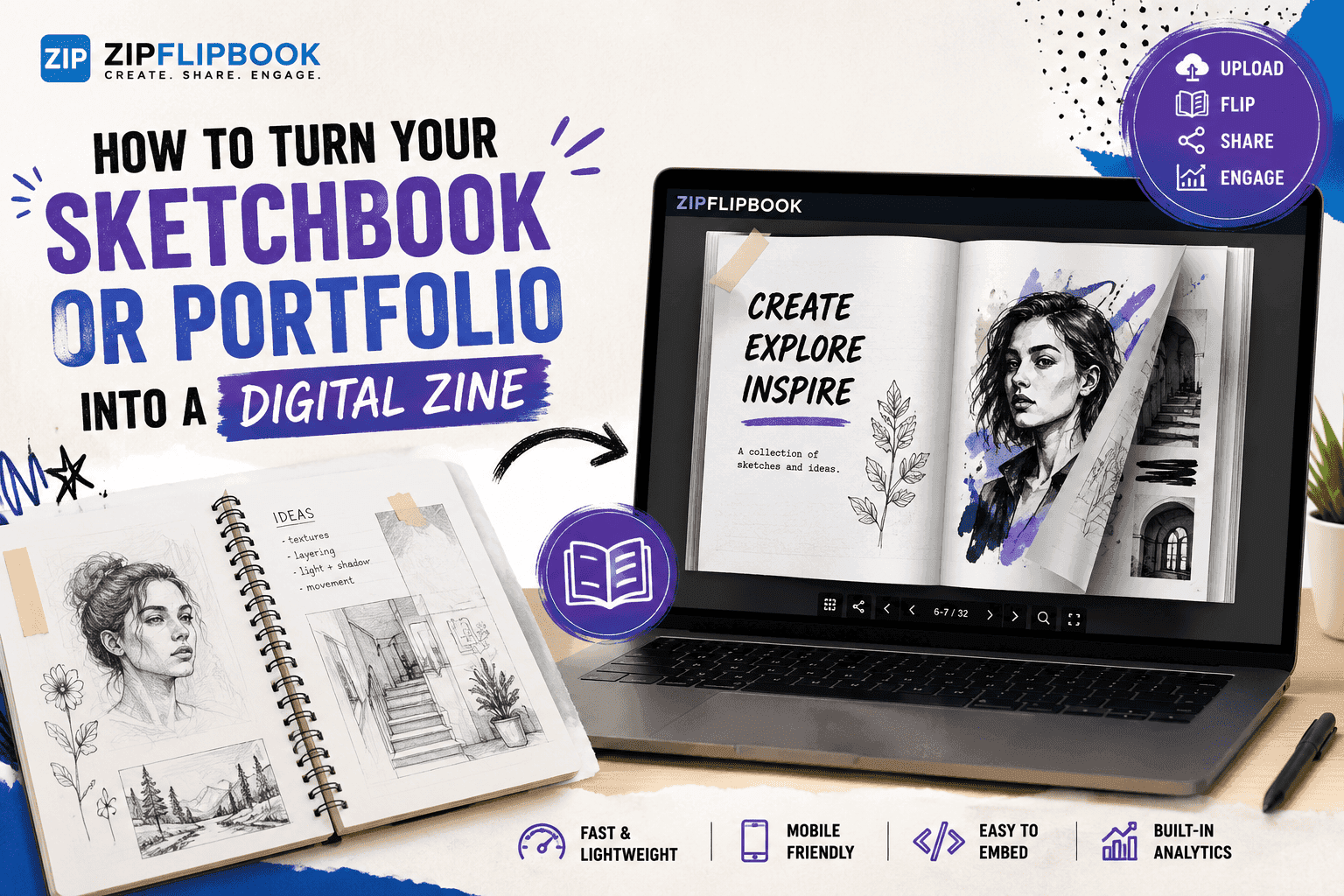
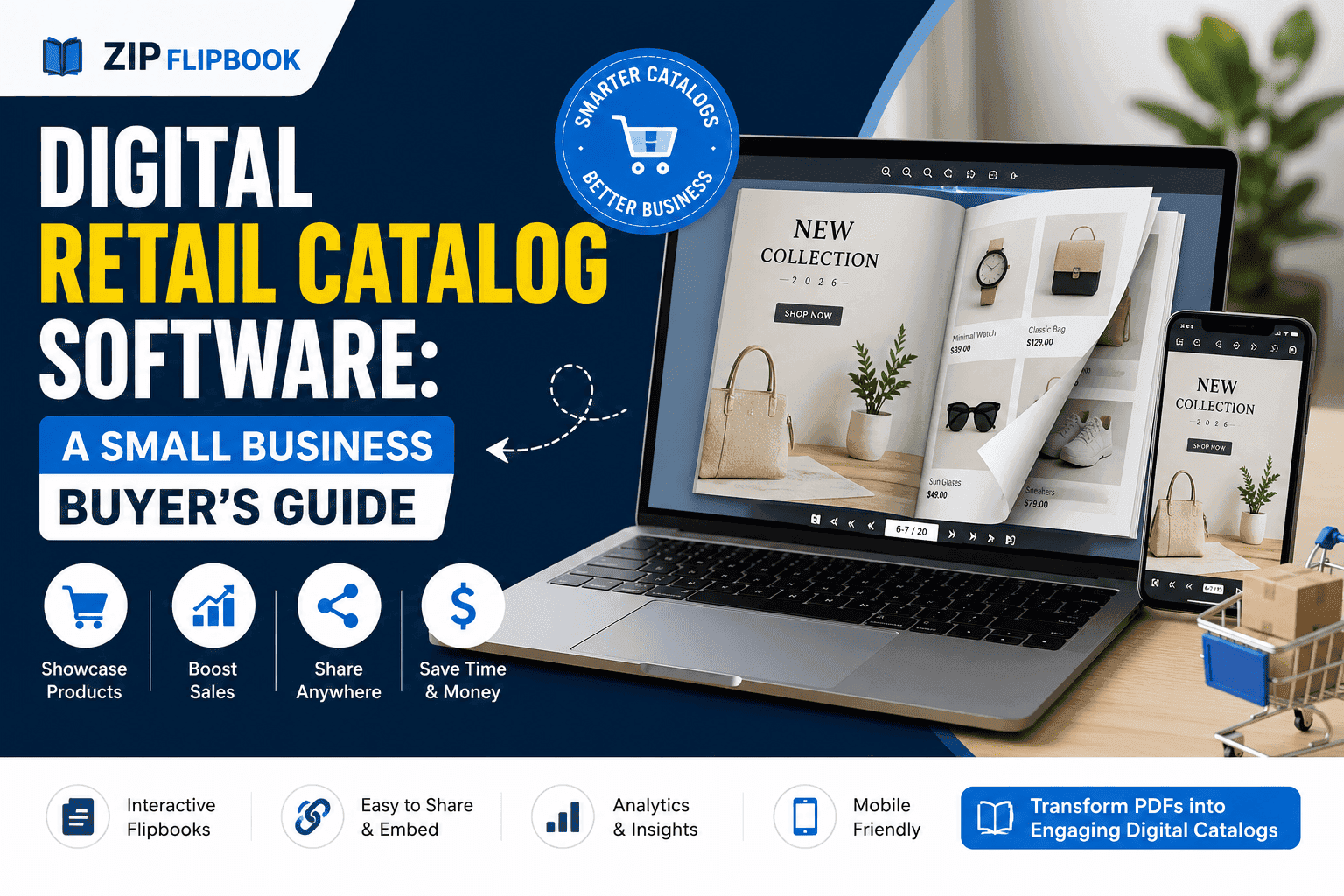
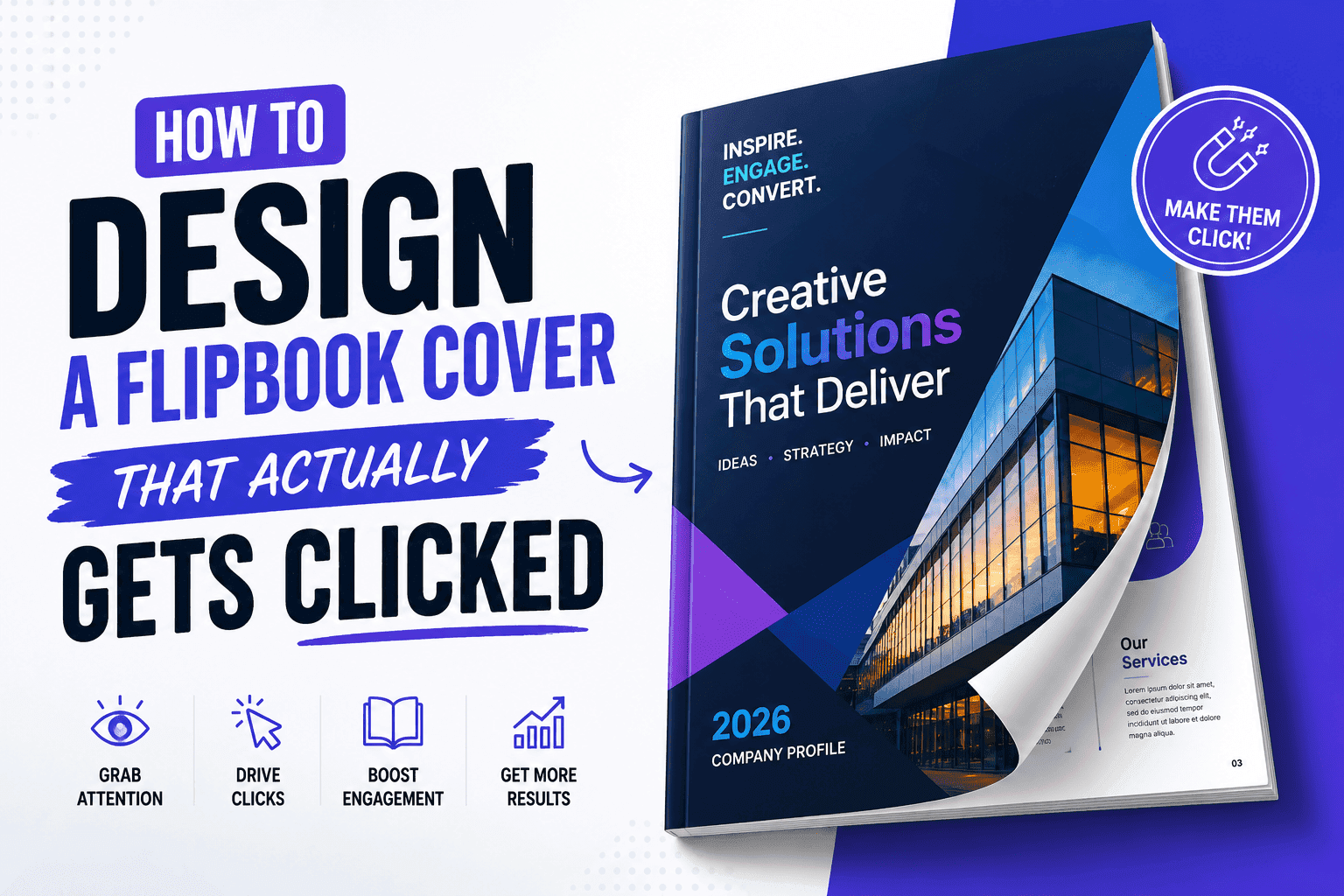
Instead of forcing customers through clunky PDF viewers, ZipFlipbook transforms ordinary PDFs into sleek, interactive digital flipbooks that work beautifully across devices.
The difference in presentation quality is immediately noticeable.
Turn Your PDFs into Lead Generation Machines
Start getting highly-qualified leads from your PDFs and landing pages today. It takes exactly 2 minutes to set up.
No credit card required • Sign up in 10 seconds
Why Interactive Flipbooks Work Better for Modern Businesses
The reason flipbook-style brochures work so well is simple: they create engagement.
Traditional PDFs are passive.
Interactive flipbooks feel alive.
That difference matters much more than most businesses realize.
When users interact with a beautifully presented brochure, they subconsciously associate that smooth experience with the professionalism of the brand itself.
A luxury hotel brochure suddenly feels luxurious.
A real estate catalog feels premium.
A product showcase feels more immersive.
A digital magazine becomes enjoyable to browse.
Modern customers don’t just evaluate products anymore. They evaluate experiences.
And digital presentation plays a major role in shaping those perceptions.
Mobile Experience Is No Longer Optional
One of the biggest reasons businesses are abandoning traditional PDFs is mobile usability.
A standard PDF viewer on mobile often creates frustration almost immediately.
Users zoom in.
They lose their reading position.
They scroll awkwardly.
Buttons become difficult to tap.
Text becomes hard to read.
This creates unnecessary friction that reduces engagement dramatically.
Interactive brochure platforms like ZipFlipbook solve many of these issues by optimizing the experience specifically for modern devices.
The content adapts better to different screen sizes, page navigation feels smoother, and the overall experience becomes significantly more user-friendly.
This is especially important today because mobile traffic dominates most industries.
If your brochure experience feels outdated on smartphones, users often leave before they even finish viewing the first few pages.
Digital Brochures Are Becoming Sales Tools
Modern brochures are no longer just informational documents.
They’re becoming active parts of marketing funnels.
This is where many businesses are starting to think differently.
Instead of simply showing products or information, companies now want brochures that:
- generate leads
- collect emails
- track engagement
- increase conversions
- improve product discovery
- support sales teams
Traditional PDFs are terrible at this.
Once downloaded, businesses lose visibility into user behavior entirely.
Interactive digital brochure platforms provide much better opportunities for engagement tracking and lead generation.
For example, ZipFlipbook allows businesses to create interactive brochure experiences while also helping turn static documents into conversion-focused marketing assets.
That’s a major shift from how brochures traditionally worked.
Get more leads
Join 10,000+ marketers learning how to capture highly-qualified leads from their existing PDFs and landing pages every single week.
Why Developers Prefer Lightweight Embedded Flipbooks
There’s also a technical side to this discussion that many businesses overlook.
Embedding traditional PDFs directly into websites often creates performance issues.
Large PDF files can:
- slow page loading
- hurt Core Web Vitals
- increase memory usage
- create rendering lag
- negatively impact SEO
This becomes especially problematic for React websites, ecommerce platforms, and modern JavaScript applications where performance matters heavily.
Developers increasingly prefer lightweight embedded viewers that maintain fast loading speeds without sacrificing presentation quality.
One of the reasons many developers use ZipFlipbook is because the platform is designed to work cleanly with modern web applications while avoiding the bloated feel of traditional PDF rendering systems.
That balance between performance and presentation is extremely important for modern websites.
SEO Is Another Huge Advantage
Most businesses don’t realize how poorly traditional PDFs perform for SEO.
Google can index PDFs to some extent, but embedded PDFs themselves often contribute very little to a website’s overall search visibility.
This becomes a major missed opportunity.
Modern digital brochure platforms are increasingly focusing on SEO-friendly document presentation so businesses can actually benefit from the content inside their brochures.
That’s particularly valuable for:
- product catalogs
- ebooks
- case studies
- magazines
- educational materials
- real estate listings
When brochure content becomes crawlable and indexable, businesses can turn their documents into actual organic traffic assets instead of isolated downloadable files.
For companies investing heavily into content marketing and SEO, this matters a lot.
Industries Benefiting Most From Interactive Digital Brochures
Some industries benefit massively from modern brochure formats because visual presentation directly influences customer trust and purchasing decisions.
E-commerce Brands
Product catalogs become dramatically more engaging when presented as interactive flipbooks rather than downloadable PDFs.
Customers browse longer and products feel more premium.
Real Estate Agencies
Property brochures with immersive page transitions feel far more polished than static files.
It creates a more luxurious experience for potential buyers.
Restaurants and Hospitality
Menus, resort catalogs, and travel guides become much easier and more enjoyable to browse.
Especially on mobile devices.
Educational Institutions
Schools, universities, and coaching centers increasingly use interactive brochures for admissions materials and prospectuses.
The experience feels far more modern to students and parents.
Creative Agencies
Portfolios presented through flipbooks often create a much stronger visual impact compared to plain PDF embeds.
Presentation quality itself becomes part of the branding.
User Experience Has Become a Competitive Advantage
One of the biggest shifts happening online right now is that user experience itself has become a competitive advantage.
Businesses used to compete mostly on:
- pricing
- products
- advertising
Now they also compete heavily on digital experience quality.
A polished brochure presentation can make a smaller business appear more professional than a much larger competitor.
That’s why interactive digital brochures are becoming increasingly common across industries.
The difference might seem subtle at first, but users absolutely notice it.
And those small perception differences often influence:
- trust
- engagement
- conversion rates
- lead generation
- purchasing behavior
much more than businesses expect.
Why Flipbook Brochures Feel More Premium
There’s also a psychological aspect involved.
Humans naturally associate page-turning experiences with magazines, books, luxury catalogs, and premium publications.
That familiarity creates a more immersive reading experience compared to endless scrolling through static documents.
Interactive flipbooks feel curated.
They feel intentional.
They feel designed.
Static PDFs often feel temporary and transactional.
For businesses trying to build strong brand perception, that distinction matters significantly.
The Future of Digital Brochures
Digital brochures are evolving rapidly.
The future is moving toward experiences that combine:
- beautiful presentation
- fast performance
- mobile responsiveness
- SEO visibility
- analytics
- lead generation
- easy embedding
Businesses no longer want static files sitting quietly on websites.
They want interactive content that actively supports marketing and sales goals.
That’s exactly why platforms like ZipFlipbook are becoming increasingly relevant in modern digital marketing strategies.
They bridge the gap between visual presentation and practical business functionality.
Final Thoughts
The best digital brochure format for modern businesses is no longer the traditional downloadable PDF.
Today’s users expect experiences that feel:
- fast
- interactive
- responsive
- visually polished
- mobile-friendly
Interactive flipbook-style brochures deliver that experience far better than static document viewers ever could.
For businesses trying to improve engagement, strengthen branding, and modernize their online presence, upgrading the brochure experience is no longer just a design choice — it’s becoming a competitive necessity.
And for companies looking to create sleek, high-performing digital brochures without complicated development work, ZipFlipbook offers one of the simplest and most effective ways to transform ordinary PDFs into modern interactive experiences.